
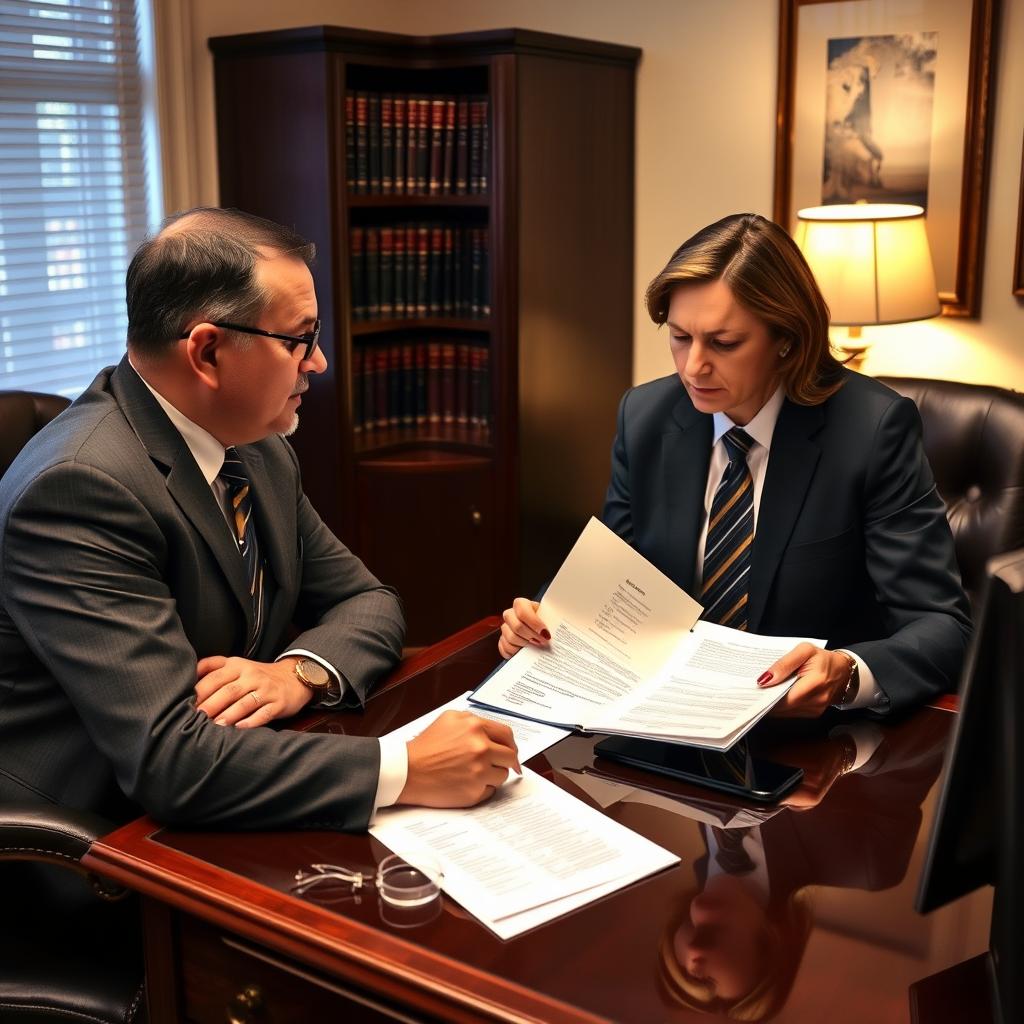
Obstruction Defense Lawyer Falls Church, VA
When an obstruction charge is filed in Falls Church, Virginia, the stakes climb immediately. A conviction—whether for a misdemeanor or a felony—can bring jail time, steep fines, and a criminal record that follows you into employment, housing, and professional licensing. At the Falls Church General District Court, located at 300 Park Avenue, Suite 151W, misdemeanor obstruction cases are heard, while felony obstruction charges proceed through the Falls Church Circuit Court. The Commonwealth’s Attorney for Falls Church prosecutes these cases actively, and the court applies the full weight of Virginia’s obstruction statutes. For more than a generation, the attorneys at Law Offices Of SRIS, P.C. have guided individuals through criminal proceedings in Northern Virginia. In Falls Church, the firm’s attorneys have documented 6 results in criminal matters: 5 dismissed or not guilty and 1 reduced or amended, with favorable outcomes in all reported instances. Results may vary. To discuss your situation, reach Law Offices Of SRIS, P.C. at (888) 437-7747.
Law Offices Of SRIS, P.C. – Advocacy Without Borders.
What Obstruction Defense Means in Falls Church, Virginia
Virginia law addresses obstruction of justice under Va. Code § 18.2‑460. The statute covers a range of conduct: knowingly hindering a law‑enforcement officer, judge, magistrate, or other court official in the performance of their duties, as well as using threats or force to interfere. The offense is graded by severity. A straightforward obstruction—for example, refusing to comply with a lawful order or physically impeding an arrest—is a Class 1 misdemeanor, punishable by up to 12 months in jail and a $2,500 fine. When the obstruction involves threats of bodily harm, force, or impersonating a law‑enforcement officer, it escalates to a Class 5 felony, which can carry 1 to 10 years of imprisonment, or—at the discretion of a jury—up to 12 months in jail and a $2,500 fine. A felony conviction also results in the loss of certain civil rights.
In Falls Church, the court system reflects the charge level. Misdemeanor obstruction cases are tried in the Falls Church General District Court; if a felony is charged, the General District Court holds a preliminary hearing, and the case later goes to the Falls Church Circuit Court for trial. Defendants have an absolute right to a jury trial in Circuit Court for any offense carrying potential jail time. The Commonwealth’s Attorney for Falls Church prosecutes these matters, but Virginia law permits plea agreements under Rule 3A:8 of the Rules of the Supreme Court of Virginia. Judges are not parties to the negotiation, but a well‑structured plea can lead to a reduction or dismissal. For those who are acquitted or whose charges are nolle prossed, Virginia law allows expungement under Va. Code § 19.2‑392.2, helping to remove the record of the arrest.
How Mr. Sris and His Of Counsel Handle Obstruction Defense Cases
Every obstruction case begins with a careful examination of the officer’s report, body‑camera footage, and any witness statements. The attorneys at Law Offices Of SRIS, P.C. Scrutinize whether the officer’s actions complied with the law and whether the defendant’s conduct truly meets the statutory definition of obstruction. Often, what an officer characterizes as obstruction is actually a person’s lawful exercise of First Amendment rights or a reflexive reaction during a tense encounter. Mr. Sris, a former prosecutor, understands how the Commonwealth constructs obstruction cases and what weaknesses a prosecutor must overcome at trial. His Of Counsel team includes an attorney who is a former Virginia State Trooper, bringing first‑hand knowledge of police procedures and roadside tactics.
Once the evidence is analyzed, the firm explores every available option. In many circumstances, negotiation with the Commonwealth’s Attorney can result in an amended charge that avoids the stigma of obstruction. In Falls Church, some defendants may be eligible for first‑offender programs or deferred dispositions under Va. Code § 19.2‑303.2, where successful completion can lead to a dismissal. When a trial is necessary, Mr. Sris and his Of Counsel prepare a thorough defense aimed at raising reasonable doubt, challenging the credibility of the government’s witnesses, and presenting a clear alternative narrative to the judge or jury. Throughout the process, the client receives a frank assessment of the strengths and weaknesses of the case, so every decision is informed.
About Mr. Sris and His Of Counsel Team
Mr. Sris, Owner and Founder of Law Offices Of SRIS, P.C., established the firm in 1997. A former prosecutor, he brings a practiced perspective to every criminal defense matter. Mr. Sris is admitted to practice in Virginia, Maryland, the District of Columbia, New Jersey, and New York. He testified before the Virginia House Courts of Justice Committee in support of 2019 HB 635 (chief patron Del. David Bulova). The firm’s Of Counsel team includes a former Maryland Assistant State’s Attorney and a former Virginia State Trooper, each with decades of litigation experience. Together, Mr. Sris and his Of Counsel bring extensive combined legal experience to obstruction defense cases in Falls Church and across the Commonwealth. Results may vary.
Frequently Asked Questions
What is obstruction defense under Virginia law?
Obstruction defense is the legal representation of someone charged with hindering a law‑enforcement officer or court official, typically under Va. Code § 18.2‑460. A defense attorney examines whether the defendant’s actions actually amounted to obstruction, using the officer’s reports, body‑camera footage, and witness accounts. Many obstruction charges stem from heated moments where words or minor physical resistance were not intentional interference with official duties. A conviction can bring jail time, fines, and a permanent criminal record, making a practiced defense critical.
Can an obstruction charge be dropped or reduced in Falls Church?
Yes, an obstruction charge can be dismissed, nolle prossed, or amended to a lesser offense if the evidence is weak or a negotiated resolution is reached with the Commonwealth’s Attorney. In Falls Church, the firm’s attorneys have documented outcomes where obstruction charges were reduced to non‑criminal violations or dismissed entirely. The Commonwealth’s Attorney may agree to amend the charge when the facts support a less serious offense, especially if the defendant has no prior record. Any resolution requires careful case analysis and negotiation.
What are the potential penalties for obstruction in Falls Church?
A Class 1 misdemeanor obstruction in Falls Church carries up to 12 months in jail and a $2,500 fine; a Class 5 felony obstruction, based on threats or force, carries 1 to 10 years in prison. At the discretion of a jury, a felony may also be punished as a misdemeanor with up to 12 months in jail. A felony conviction also results in the loss of firearm rights and can affect employment and immigration status. The exact sentence depends on the circumstances of the offense and the defendant’s history.
Do I need a lawyer for an obstruction charge in Falls Church?
While you are not legally required to have a lawyer, an obstruction charge in Falls Church carries potential jail time and a criminal record, making legal representation highly advisable. Even a misdemeanor conviction can disrupt employment, professional licenses, and housing opportunities. A lawyer can challenge the officer’s account, negotiate with the prosecutor, and pursue alternatives like deferred disposition. Attempting to handle the case alone often results in outcomes that could have been avoided with counsel.
How does the court process work for an obstruction case in Falls Church?
A misdemeanor obstruction case begins with arraignment at the Falls Church General District Court, followed by a trial date typically set within weeks to months, depending on the court’s calendar. If a felony is charged, the General District Court holds a preliminary hearing; if probable cause is found, the case is certified to the Falls Church Circuit Court for trial. Defendants have a right to a jury trial in Circuit Court. Throughout the process, an attorney can file motions, engage in plea negotiations, and, if necessary, try the case before a judge or jury.
Is expungement possible after an obstruction arrest in Falls Church?
Expungement is available in Falls Church for acquittals, nolle prosequi dismissals, and charges that were otherwise dismissed, under Va. Code § 19.2‑392.2. Expungement petitions are filed in the Falls Church Circuit Court. If granted, the police and court records related to the arrest are sealed, and the arrest is treated as though it never occurred for most purposes. Most convictions cannot be expunged, but sealing reforms are expanding eligibility. An attorney can advise whether expungement is available after a particular case ends.
For guidance on your specific situation, reach Law Offices Of SRIS, P.C. at (888) 437-7747.
Additional criminal defense resources in Northern Virginia:
Fairfax County criminal defense
Fairfax City criminal defense
Prince William County criminal defense
Manassas criminal defense
Manassas Park criminal defense
Official Virginia legal resources:
Virginia Code Title 18.2 (Crimes and Offenses)
Falls Church General District Court
Attorney advertising. Prior results do not guarantee a similar outcome. Results may vary.
Case results depend on a variety of factors unique to each case.