
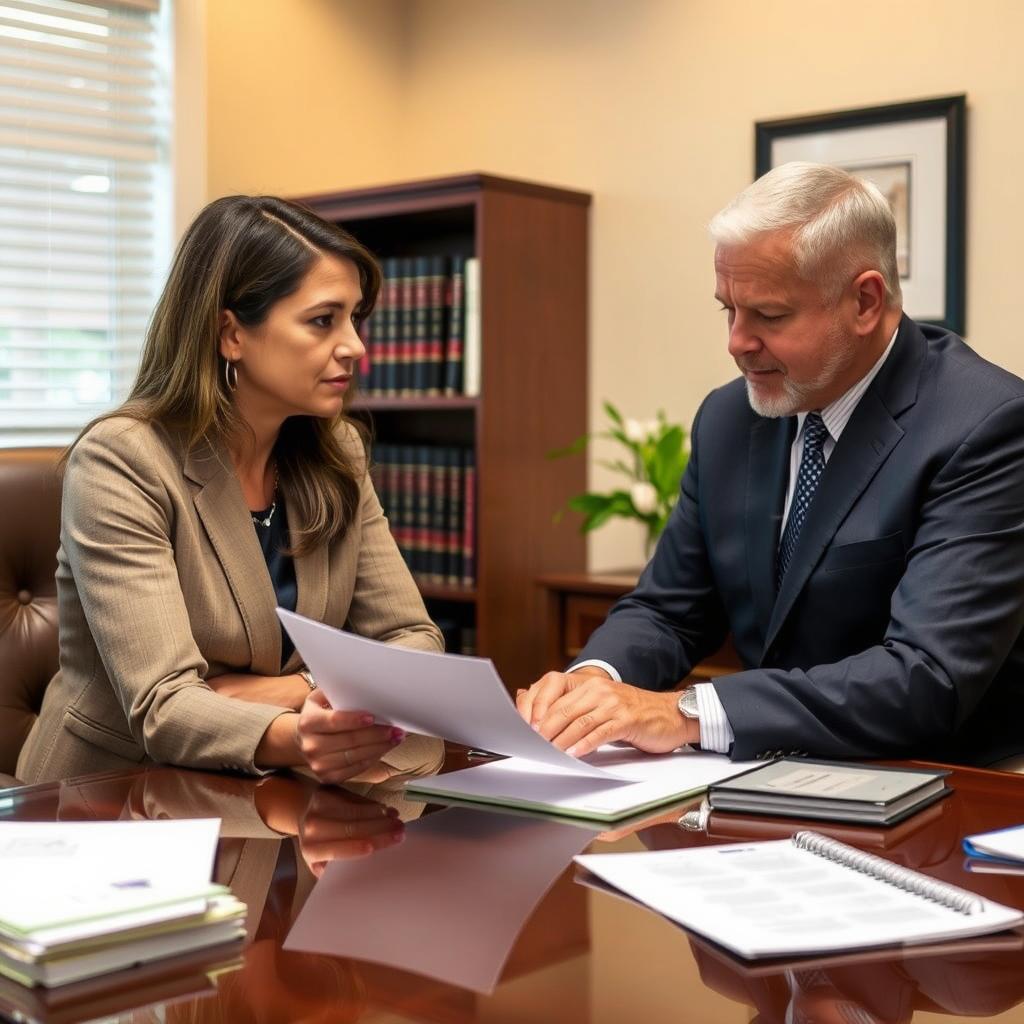
Norfolk Military Divorce Lawyer Fairfax, VA
Military service members stationed at Naval Station Norfolk and their families face divorce issues that differ from civilian divorces in important ways. Servicemembers Civil Relief Act (SCRA) protections, military pension division under the Uniformed Services Former Spouses’ Protection Act (USFSPA), and deployment-related custody questions all require an attorney who understands both Virginia family law and the federal military framework. Mr. Sris, Owner and Founder of Law Offices Of SRIS, P.C., works from the firm’s Fairfax location to represent Norfolk‑area clients in contested and uncontested military divorces. He is a former prosecutor who founded the firm in 1997 and practices across Virginia, Maryland, the District of Columbia, New Jersey, and New York. Mr. Sris and his Of Counsel team appear in Virginia circuit courts and handle equitable distribution of military retirement, child custody, spousal support, and all related family‑law matters. For a consultation, reach our firm at (888) 437‑7747. Law Offices Of SRIS, P.C. – Advocacy Without Borders.
What Military Divorce Means for Service Members in Norfolk
For a service member or military spouse in Norfolk, divorce is governed by Virginia law while also shaped by federal statutes. Virginia is an equitable distribution state; marital property—including the marital share of military retired pay—is divided based on statutory factors rather than a rigid fifty‑fifty split. The court that has jurisdiction is usually the circuit court of the county or city where one spouse resides. For a Norfolk resident, that is often Norfolk Circuit Court; however, the case may also be filed in the circuit court of another Virginia jurisdiction where the parties meet residency requirements. Because Law Offices Of SRIS, P.C. Regularly appears in courts throughout Virginia, Mr. Sris and his Of Counsel can advise on the most appropriate venue and handle the matter efficiently from the firm’s Fairfax location.
Service members and their spouses should also be aware of SCRA protections. The SCRA permits a stay of court proceedings if a service member’s military duties materially affect the ability to appear or respond. That can affect divorce timelines and temporary orders. Additionally, the USFSPA governs how military retired pay is treated as marital property. Virginia courts apply the USFSPA’s “10/10 rule” for direct payment—if the parties were married for at least ten years during which the service member performed at least ten years of creditable service, the former spouse may receive payments directly from the Defense Finance and Accounting Service. Even when the 10/10 rule is not met, the court may still award a portion of military retired pay as part of equitable distribution. The interaction of these federal rules with Virginia’s equitable‑distribution factors makes legal guidance especially important.
How Mr. Sris and His Of Counsel Handle Military Divorce Cases
Mr. Sris and his Of Counsel work with Norfolk‑area clients to identify the issues that matter most—whether that is keeping a military pension intact, obtaining a parenting plan that accommodates deployment schedules, or reaching a separation agreement without a contested trial. The team’s approach begins with a review of the marriage’s financial picture, the service member’s Leave and Earnings Statement, and any existing orders affecting children. They then discuss options for filing, including whether an uncontested divorce based on a signed separation agreement is feasible or whether fault‑based grounds such as adultery or cruelty apply.
Once the case is filed in the appropriate Virginia circuit court, the firm addresses temporary matters—custody, support, and exclusive use of the family home—through pendente lite motions when necessary. Discovery, including valuation of the marital portion of military retired pay and any Thrift Savings Plan accounts, is handled methodically. Mr. Sris and his Of Counsel also help clients evaluate whether mediation or negotiation can resolve disputes before a final hearing. The timeline for resolution varies by case complexity and the court’s calendar, but the firm works toward a final decree that protects the client’s interests. Because Mr. Sris is a former prosecutor, he brings courtroom experience to contested hearings and trials when settlement is not possible.
About Mr. Sris and His Of Counsel Team
Mr. Sris, Owner and Founder of Law Offices Of SRIS, P.C., has practiced law since 1997 and is admitted in Virginia, Maryland, the District of Columbia, New Jersey, and New York. He is a former prosecutor whose background informs his approach to contested family‑law matters. Mr. Sris testified before the Virginia House Courts of Justice Committee in support of 2019 HB 635 (chief patron Del. David Bulova). His deep familiarity with Virginia courts—including the circuit courts that handle military divorce—allows him to provide focused representation to service members and their families. The firm’s Of Counsel attorneys are experienced multi‑state practitioners who work alongside Mr. Sris on military divorce cases, bringing additional litigation and negotiation experience. The team serves clients throughout Northern Virginia from the firm’s Fairfax location. To schedule a consultation, call (888) 437‑7747.
Frequently Asked Questions
Does the Servicemembers Civil Relief Act affect my divorce?
Yes, the SCRA can delay certain divorce proceedings when a service member’s military duties prevent meaningful participation. If the service member is on active duty and unable to appear, the court may grant a stay. The stay is not automatic; the service member or his or her attorney must request it. Even with a stay, temporary orders for child support or spousal support may still be entered. A Virginia court will balance the service member’s deployment obligations with the need to move the case forward. For guidance on your specific situation, reach Law Offices Of SRIS, P.C. at (888) 437‑7747.
Where do I file for military divorce if I am stationed in Norfolk but my spouse lives elsewhere?
You may file for divorce in the Virginia circuit court where either you or your spouse resides, provided at least one of you meets the six‑month domiciliary residency requirement. For a service member stationed at Naval Station Norfolk who maintains a home in Norfolk, Norfolk Circuit Court is a proper venue. If the spouse resides in another Virginia locality, that court may also have jurisdiction. When the spouse lives out of state, the service member must satisfy Virginia residency requirements on his or her own. The correct venue can affect how quickly the case proceeds and which court’s procedures apply. For a consultation, reach Mr. Sris and his Of Counsel at (888) 437‑7747.
How is military retirement divided in a Virginia divorce?
Virginia courts treat the marital share of military retired pay as marital property subject to equitable distribution, applying the USFSPA and the statutory factors in Va. Code § 20‑107.3. The court determines the marital fraction—typically the number of years of marriage overlapping creditable service divided by total creditable service. That portion is then divided equitably, not necessarily equally. If the marriage lasted ten years and the service member had ten years of creditable service during the marriage, the former spouse may receive direct payments from DFAS; otherwise, the service member pays the former spouse directly. Thrift Savings Plan and other retirement accounts are also part of the property division. To discuss the details of your matter, contact Law Offices Of SRIS, P.C. at (888) 437‑7747.
Do I need a lawyer for a military divorce in Virginia?
Virginia law does not require you to hire an attorney for a military divorce, but the overlapping state and federal rules make legal guidance advisable. The SCRA, USFSPA, and Virginia’s equitable‑distribution and custody statutes create a legal landscape that is more complex than a civilian divorce. A lawyer can help you protect your pension, negotiate a parenting plan that accounts for future deployments, and ensure that any separation agreement addresses all necessary issues. Mr. Sris and his Of Counsel regularly advise Norfolk‑area service members on these matters. Reach our firm at (888) 437‑7747 to request a consultation.
Can I get a divorce while I am deployed?
Yes, you can pursue a divorce while deployed, although the SCRA may allow you to postpone active participation in the proceedings. If you are unable to appear personally, your attorney can file the complaint on your behalf and seek a stay of the court schedule until you can participate meaningfully. The deployment itself does not prevent the court from entering a final decree after the proper notice and waiting periods. Issues of custody and visitation require special attention because the court will consider the demands of military service when evaluating the child’s best interests. For guidance on your specific situation, reach Law Offices Of SRIS, P.C. at (888) 437‑7747.
How does Virginia handle child custody when a parent is in the military?
Virginia courts apply the same best‑interests factors to military parents as they do to civilians, but they may consider deployment schedules, relocation orders, and the child’s relationship with each parent. A parenting plan can include provisions for virtual visitation during deployments and for the allocation of parenting time when the service member returns. The court will not automatically penalize a parent for military service. A well‑drafted separation agreement or custody order can address these realities in advance. Mr. Sris and his Of Counsel help Norfolk‑area families craft custody arrangements that work within the demands of military life. For a consultation, contact Law Offices Of SRIS, P.C. at (888) 437‑7747.
Related pages: Fairfax County family law lawyer | Falls Church family law lawyer | Prince William County family law lawyer
Primary sources: Virginia Code Title 20 – Domestic Relations | Norfolk Circuit Court
Attorney advertising. Prior results do not guarantee a similar outcome. Results may vary.
Case results depend on a variety of factors unique to each case.