
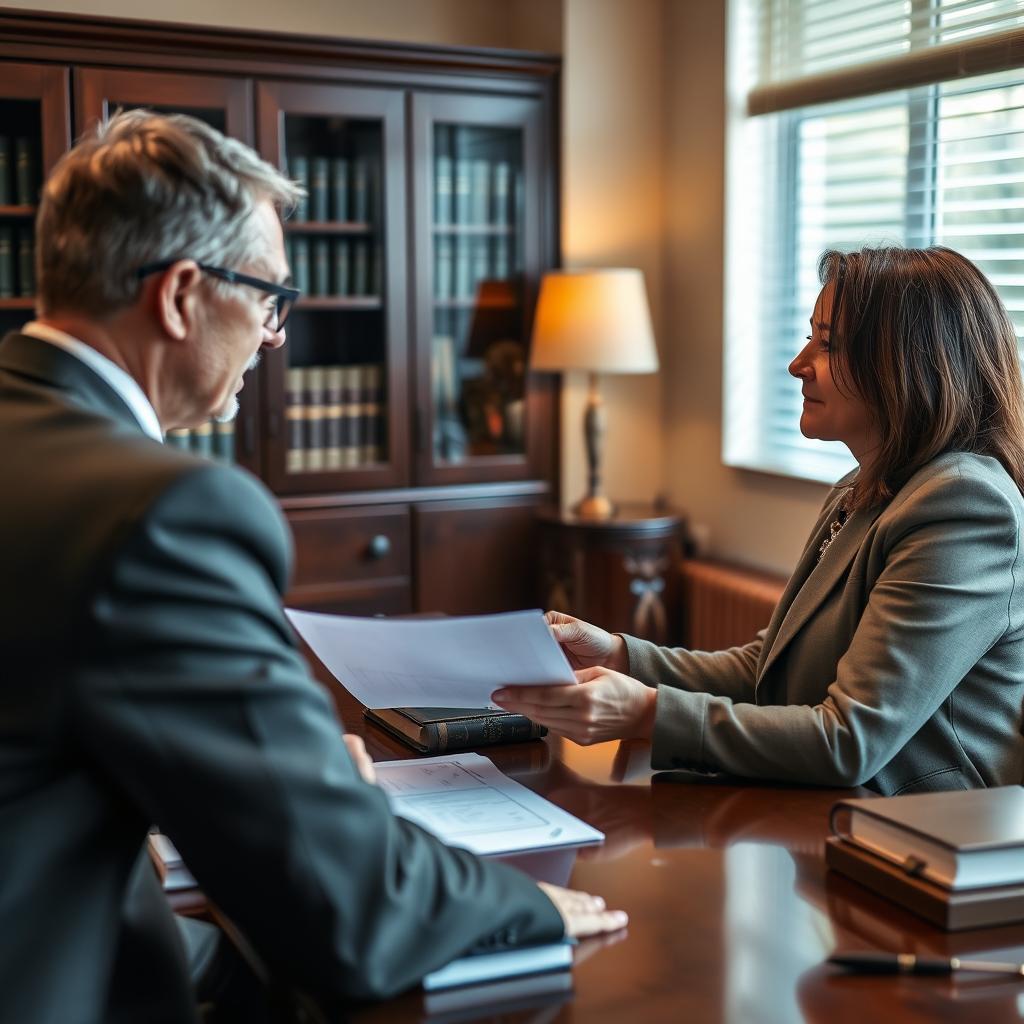
Licensing Lawyer Fairfax
You need a Licensing Lawyer Fairfax to protect your intellectual property and business interests. Law Offices Of SRIS, P.C.—Advocacy Without Borders. provides direct counsel on drafting and enforcing agreements. Our Fairfax Location handles software, trademark, and technology licensing. We address breach claims and negotiate favorable terms. Secure your assets with experienced legal guidance. (Confirmed by SRIS, P.C.)
Statutory Definition of Licensing Agreements in Virginia
Virginia law governs licensing agreements through contract principles and specific intellectual property statutes. A license is a contractual grant of permission to use property you own. It is not a transfer of ownership. The core legal framework is found in the Virginia Uniform Computer Information Transactions Act (UCITA), codified in Title 59.1. This act provides default rules for software and information licenses. For other intellectual property, common law and federal statutes apply. The enforceability of a license agreement hinges on standard contract elements. These include offer, acceptance, and consideration. The agreement must also have a definite subject matter. Virginia courts will interpret the plain language of the contract. Ambiguities are often construed against the drafter. This makes precise drafting critical. A Licensing Lawyer Fairfax ensures your agreement is clear and enforceable. They protect against future disputes over scope and royalties. Licensing involves complex intersections of state and federal law. Professional legal advice is not optional; it is essential for asset protection.
Va. Code Ann. § 59.1-501.2(40) – Contract Formation – Governs License Terms. The Virginia UCITA provides the statutory foundation for computer information transactions. It defines a “license” as a contract for rights to access or use information. The law establishes rules for contract formation, interpretation, and performance. It addresses electronic agreements and mass-market licenses. Breach of a licensing contract can lead to significant monetary damages. These damages are governed by the terms of the agreement and Virginia law.
What constitutes a valid license agreement in Fairfax?
A valid license agreement requires mutual assent, consideration, and definite terms. The agreement must clearly identify the licensed property. It must specify the scope, duration, and territory of the license. Payment terms like royalties or lump sums must be explicit. The agreement should outline permitted uses and restrictions. It must also include termination clauses and dispute resolution procedures. Virginia courts enforce these contracts based on their written terms. A poorly drafted agreement invites litigation.
How does Virginia UCITA affect software licenses?
The Virginia UCITA creates default rules for software and digital information licenses. It validates shrink-wrap and click-wrap agreements common in software. The law addresses warranty disclaimers and limitation of liability clauses. It provides rules for when a breach allows the licensor to cancel the contract. Understanding UCITA is vital for any technology company in Fairfax. A license agreement lawyer Fairfax uses this statute to build strong contracts.
What is the difference between licensing and assigning rights?
Licensing grants permission to use intellectual property for a limited time and purpose. Assigning rights is a permanent transfer of ownership. A license is typically revocable under the contract terms. An assignment is usually irrevocable. Choosing the wrong structure can result in losing control of your asset. A business licensing attorney in Fairfax advises on the correct approach.
The Insider Procedural Edge in Fairfax Courts
Fairfax County Circuit Court handles high-stakes licensing disputes. The address is 4110 Chain Bridge Road, Fairfax, VA 22030. Complex commercial litigation is filed here. The court has specific local rules for filing motions and scheduling hearings. Judges expect precise legal arguments supported by evidence. Procedural missteps can disadvantage your case from the start. Filing fees for civil actions vary based on the claim amount. For claims over $25,000, the fee is significant. You must also consider costs for service of process and discovery. The timeline from filing to trial can exceed a year. Pre-trial motions and discovery extend this period. Local Rule 4:13 governs the scheduling of cases. The court mandates early and ongoing communication between counsel. Settlement conferences are often ordered before trial. Understanding the local judiciary’s preferences is a tactical advantage. SRIS, P.C. has extensive experience in this courthouse. Our familiarity with local procedures benefits our clients. Learn more about Virginia legal services.
What is the typical timeline for a licensing lawsuit in Fairfax?
A licensing lawsuit can take 12 to 24 months to reach trial. The complaint must be filed and served on the defendant. The defendant then has 21 days to file a responsive pleading. The discovery phase lasts several months for document exchanges and depositions. Pre-trial motions may be filed to limit issues or seek summary judgment. The court will set a trial date based on its docket. Most cases settle during this lengthy process.
Where are licensing contract cases filed in Fairfax?
Licensing disputes are filed in Fairfax County Circuit Court for claims over $25,000. For smaller claims, Fairfax County General District Court has jurisdiction. The choice of court affects procedures, timelines, and potential remedies. An intellectual property licensing lawyer Fairfax determines the proper venue. Filing in the wrong court can lead to dismissal and refiling delays.
What are the local filing fees for a breach of contract case?
Filing fees in Fairfax County Circuit Court are based on the amount in controversy. For claims over $25,000, the filing fee is several hundred dollars. Additional fees apply for summoning jurors and recording judgments. Cost recovery is often part of the final judgment. Procedural specifics for Fairfax are reviewed during a Consultation by appointment at our Fairfax Location.
Penalties & Defense Strategies for Licensing Breaches
The most common penalty for breaching a license agreement is monetary damages. Damages aim to put the injured party in the position they would have been in if the contract was performed. Courts calculate lost profits or the value of the unauthorized use. The contract itself may specify liquidated damages for certain breaches. Injunctive relief is also a powerful remedy. A court can order the infringing party to immediately stop using the licensed property. This is critical in technology and trademark cases. In cases of willful infringement, the court may award attorney’s fees to the prevailing party. The defense against a breach claim often hinges on contract interpretation. A defendant may argue the use was within the licensed scope. They may claim the licensor failed to perform their own obligations first. Defenses like impossibility or frustration of purpose may also apply. Early legal intervention shapes the strategy for settlement or trial.
| Offense / Breach Type | Potential Penalty / Remedy | Legal Notes |
|---|---|---|
| Unauthorized Use Beyond Scope | Injunction + Actual Damages (Lost Royalties/Profits) | Courts measure damages from the date of breach. |
| Failure to Pay Royalties | Past Due Amounts + Interest + Possible Contract Termination | Interest rates are often defined in the contract. |
| Willful Copyright Infringement in License | Statutory Damages up to $150,000 per work + Attorney’s Fees | Federal law applies to copyright claims. |
| Breach of Confidentiality Provision | Damages + Separate Injunction on Use of Secrets | Proof of actual harm can be challenging. |
| Early Termination Without Cause | Liquidated Damages (if contract clause) or Lost Future Profits | Courts scrutinize liquidated damage clauses for fairness. |
[Insider Insight] Fairfax County prosecutors in civil matters (through the Commonwealth’s Attorney) typically pursue clear-cut breaches of business contracts. For complex licensing disputes, they often defer to private civil action. However, in cases involving fraud or criminal conversion, they may file charges. The trend in Fairfax civil courts is toward enforcing clear contract terms. Judges have little patience for parties who ignore plain language. They frequently grant preliminary injunctions to stop ongoing infringement. This preserves the status quo during litigation. Having a lawyer who drafts clear agreements is your first line of defense. Learn more about criminal defense representation.
What are the financial damages for license infringement?
Financial damages typically equal the licensor’s lost profits or a reasonable royalty. The calculation is based on the unauthorized use’s duration and scope. If the license included a royalty rate, that rate forms the damage baseline. The injured party must prove their losses with reasonable certainty. Consequential damages may be awarded if they were foreseeable.
Can a licensor terminate a license agreement early?
A licensor can terminate early only if the contract allows it or the licensee breaches. The agreement must specify termination events, such as non-payment. Virginia law requires the terminating party to provide notice and a chance to cure. Wrongful termination can make the licensor liable for damages. A license agreement lawyer Fairfax ensures termination clauses are enforceable.
What defenses exist against a claim of license breach?
Common defenses include that the use was permitted, the contract was ambiguous, or the licensor breached first. A licensee may argue the licensor misrepresented the licensed property’s capabilities. Defenses like laches or waiver may apply if the licensor delayed enforcement. Each defense requires specific factual support and legal argument.
Why Hire SRIS, P.C. for Your Fairfax Licensing Matter
SRIS, P.C. provides focused legal advocacy for licensing issues in Fairfax. Our attorneys understand the commercial area of Northern Virginia. We draft and review agreements to prevent disputes. When litigation is necessary, we pursue our clients’ objectives aggressively. Our approach is direct and strategic, avoiding unnecessary legal complexity. We communicate clearly about risks, costs, and likely outcomes. Your business assets deserve vigilant protection.
Bryan Block leads our commercial litigation practice. Mr. Block is a former law enforcement officer with over a decade of legal experience. He applies a disciplined, evidence-based approach to contract disputes. His background provides a unique perspective on investigation and case preparation. He has handled numerous business litigation matters in Fairfax County courts. Learn more about DUI defense services.
Our firm has a track record in Fairfax County. SRIS, P.C. has achieved favorable outcomes for clients in business disputes. We focus on practical solutions that align with your business goals. Whether negotiating a new license or litigating a breach, we provide steadfast representation. Our Fairfax Location is staffed to serve local businesses promptly. We offer a Consultation by appointment to review your specific licensing needs.
What experience does your firm have with Fairfax licensing cases?
Our attorneys have drafted and litigated software, trademark, and technology licenses for Fairfax clients. We have experience in both Circuit Court and federal court for intellectual property matters. We understand the local rules and judicial expectations. This local experience allows for efficient and effective case management.
How does your firm approach licensing agreement negotiations?
We prioritize protecting your core intellectual property and revenue streams. We identify and clarify ambiguous terms that lead to litigation. Our goal is to create a balanced, enforceable agreement that supports your business model. We negotiate from a position of strength, backed by litigation readiness.
Localized FAQs on Licensing Law in Fairfax
What does a licensing lawyer in Fairfax do?
A licensing lawyer in Fairfax drafts, reviews, and negotiates contracts for using intellectual property. They enforce agreements and defend against breach claims. Their work protects patents, copyrights, trademarks, and software.
How much does it cost to hire a licensing attorney in Fairfax?
Costs vary based on the agreement’s complexity and whether litigation is involved. Drafting a new license agreement involves a flat fee or hourly rate. Litigation costs depend on the case’s stage and required discovery. Learn more about our experienced legal team.
What is the difference between a license and a franchise in Virginia?
A license grants rights to use intellectual property. A franchise involves a complete business system and ongoing control. Franchises are heavily regulated by federal and Virginia law. Licensing agreements are generally more flexible.
Can I write my own software license agreement?
You can, but it is risky. Generic templates often lack crucial protections for your specific code and business. Ambiguous terms can lead to expensive litigation. A lawyer ensures the contract is enforceable and protects your assets.
What happens if someone breaches my licensing agreement in Fairfax?
You can sue for damages and seek a court order to stop the breach. The first step is sending a formal cease-and-desist letter. Next, filing a lawsuit in Fairfax County Circuit Court may be necessary. An attorney guides this process.
Proximity, CTA & Disclaimer
Our Fairfax Location is strategically positioned to serve clients across Northern Virginia. We are accessible for meetings to discuss your licensing agreements or disputes. Consultation by appointment. Call 703-278-0405. 24/7.
Law Offices Of SRIS, P.C.
Fairfax, Virginia
Phone: 703-278-0405
Procedural specifics for Fairfax are reviewed during a Consultation by appointment at our Fairfax Location. The local judicial temperament and procedural rules are factors in every case we handle. We provide clear guidance on the process and potential outcomes. Our team is ready to advocate for your business interests.
Past results do not predict future outcomes.