
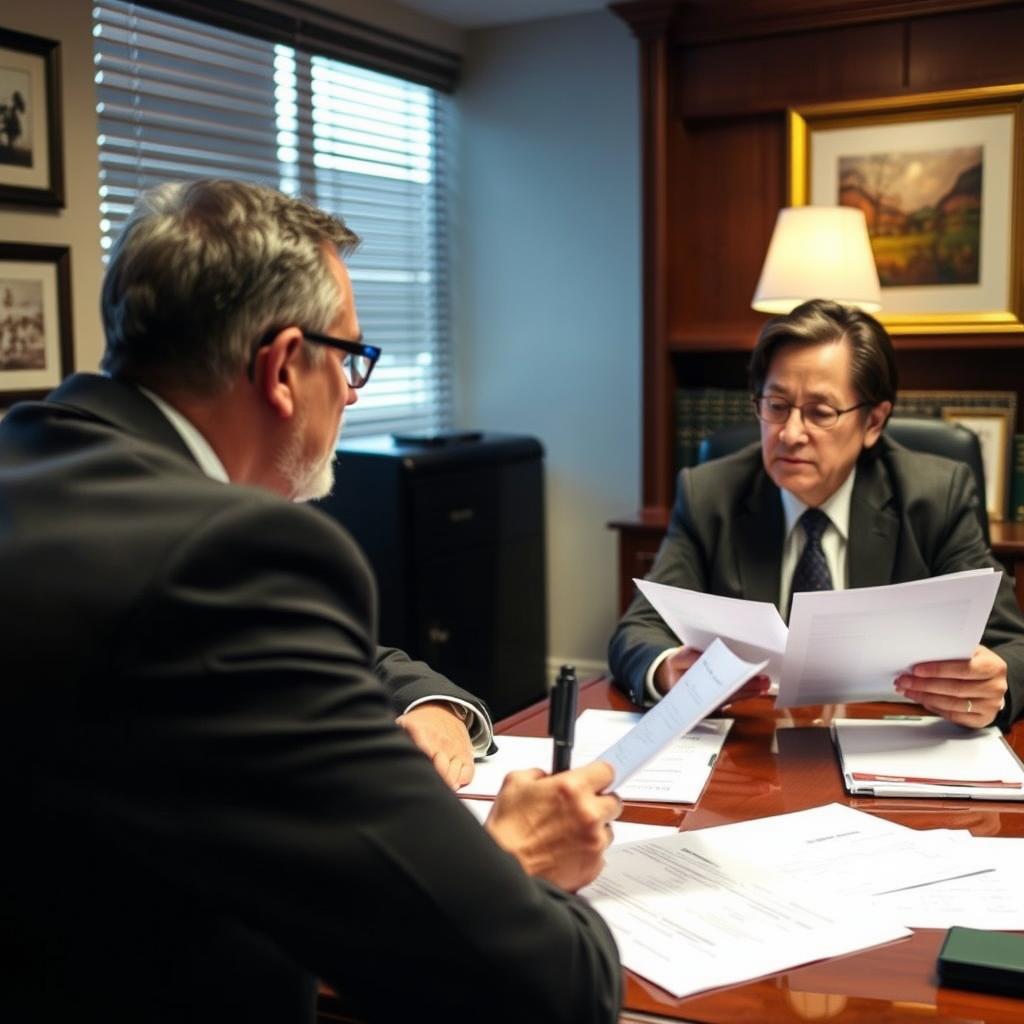
Indemnity Lawyer Loudoun County, VA
At the Loudoun County Circuit Court, located at 18 East Market Street in Leesburg, and the Loudoun County General District Court, contract disputes—including claims arising from indemnity and hold‑harmless agreements—are regularly heard. For business owners, contractors, and individuals in Ashburn, Sterling, Leesburg, and the surrounding communities, a poorly drafted indemnity clause can create serious financial exposure. Mr. Sris and his Of Counsel at Law Offices Of SRIS, P.C. represent clients in indemnity matters throughout Northern Virginia, concentrating in contract litigation and negotiation. The firm brings over 120 years of combined legal experience to these disputes, and has achieved 4,739+ documented firm-wide results, with a practice built on strict adherence to Virginia’s contract principles and a practical understanding of how litigation unfolds in the Twentieth Judicial District. Results may vary. Whether you are enforcing an indemnity provision or defending against a claim, experienced counsel can assess the strength of your position and guide you toward a resolution. Reach our location at (888) 437‑7747. Law Offices Of SRIS, P.C. – Advocacy Without Borders.
What Indemnity Means in Loudoun County
An indemnity agreement is a contract in which one party promises to protect another from loss—often by covering damages, legal costs, or both. Under Virginia law, indemnity is governed by the same principles that apply to all contracts: the language is enforced as written, the parol evidence rule limits the introduction of prior or contemporaneous oral statements, and the court looks to the four corners of the document to determine the parties’ intent. Because Virginia gives significant weight to the express terms of an agreement, the words used in an indemnity clause can have far‑reaching consequences.
Common situations giving rise to indemnity disputes in Loudoun County include construction projects, where a subcontractor agrees to indemnify the general contractor for job‑site injuries; commercial leases, where a tenant agrees to hold the landlord harmless for claims arising from the premises; and business‑to‑business transactions, where one party assumes liability for product defects or service failures. The county’s rapid growth—fueled by technology, data‑center construction, and residential development—means that indemnity provisions appear in a wide array of contracts. Virginia courts approach these disputes by first determining whether the indemnity clause is unambiguous and, if so, applying it as written. If the language is ambiguous, the court may construe it against the drafter.
Available remedies include monetary damages, specific performance, and rescission. Punitive damages are generally not available in breach‑of‑contract actions in Virginia. Attorney fees are recoverable only if the contract explicitly provides for them. The procedural path depends on the amount in controversy: civil claims not exceeding the jurisdictional limit may be filed in the Loudoun County General District Court, while claims above that limit proceed in the Loudoun County Circuit Court. Contract disputes governed by a written agreement are subject to a five‑year statute of limitations; oral contracts are subject to a three‑year period. Because the filing deadline runs from the date of breach, prompt legal review is important.
A written indemnity agreement in Virginia is subject to a five‑year statute of limitations.
Source: Va. Code § 8.01‑246(2). Virginia Code § 8.01‑246
Reviewed by Mr. Sris, admitted in VA/MD/DC/NJ/NY.
Breach‑of‑contract claims not exceeding the jurisdictional limit may be filed in the General District Court; claims above that limit proceed in the Circuit Court.
Source: Va. Code § 16.1‑77(1). Virginia Code § 16.1‑77
Reviewed by Mr. Sris, admitted in VA/MD/DC/NJ/NY.
How Mr. Sris and His Of Counsel Handle Indemnity Cases
Every indemnity matter begins with a careful review of the contract language. The team examines the scope of the indemnity obligation, the triggering events, any limitations or exclusions, and whether the clause complies with Virginia law, including the anti‑indemnification restrictions that apply to certain construction contracts under Va. Code § 11‑4.1. Once the contractual obligations are clear, the focus shifts to the factual record: what occurred, whether the indemnifying party had notice, and whether any defenses apply.
If the matter cannot be resolved through negotiation, litigation proceeds in the appropriate Loudoun County court. A demand letter typically precedes suit, and discovery can include the exchange of contract‑related documents, financial records, and witness testimony. Mr. Sris and his Of Counsel have experience presenting contract‑interpretation arguments before Virginia judges, relying on the text of the agreement and established principles of contract law. The firm also explores alternative dispute resolution where it serves the client’s interests. Throughout the process, the team keeps the client informed of the procedural timeline, potential outcomes, and strategic choices.
About Mr. Sris and His Of Counsel Team
Mr. Sris, Owner and Founder of Law Offices Of SRIS, P.C., has been practicing law since 1997. A former prosecutor, he brings a disciplined, analytical approach to contract disputes. He is admitted in Virginia, Maryland, the District of Columbia, New Jersey, and New York, and he testified before the Virginia House Courts of Justice Committee in support of 2019 HB 635 (chief patron Del. David Bulova). His deep familiarity with Virginia’s court system, including the Loudoun County Circuit Court and General District Court, informs his handling of indemnity and other contract matters.
Mr. Sris and his Of Counsel bring over 120 years of combined legal experience and have achieved 4,739+ documented firm-wide results. Results may vary. The team works collaboratively, drawing on the collective knowledge of attorneys with backgrounds in business litigation, contract negotiation, and civil procedure. For indemnity matters, the firm’s approach is grounded in the text of the agreement and the realities of litigation in Virginia’s courts.
Frequently Asked Questions
What is an indemnity agreement under Virginia law?
An indemnity agreement is a contract in which one party agrees to cover the losses or liabilities of another party. Under Virginia law, these agreements are interpreted like any other contract—the court looks to the plain language to determine the parties’ obligations. Common examples include a subcontractor agreeing to indemnify a general contractor for job‑site accidents or a business assuming liability for a supplier’s defective materials. Because Virginia enforces indemnity clauses as written, careful drafting is essential to define the scope of the obligation and any exclusions. For guidance on your specific situation, reach Law Offices Of SRIS, P.C. at (888) 437‑7747.
How does the court resolve an indemnity dispute in Loudoun County?
An indemnity dispute in Loudoun County is resolved through litigation in the General District Court or the Circuit Court, depending on the amount in controversy. The court first examines the contract language to determine whether the indemnity clause is unambiguous. If it is, the court applies the provision as written. Factual disputes—such as whether a triggering event occurred or whether the indemnifying party had notice—are resolved through discovery and trial. The firm’s familiarity with the judges and procedures in the Twentieth Judicial District helps clients understand what to expect as the case moves forward. To discuss the details of your matter, contact Law Offices Of SRIS, P.C. at (888) 437‑7747.
What is the statute of limitations for an indemnity claim in Virginia?
A written indemnity agreement must be enforced within five years of the breach; an oral agreement is subject to a three‑year limitation. The deadline is set by Va. Code § 8.01‑246 and begins to run on the date the contract is breached. Because indemnity claims can involve multiple parties and complex facts, identifying the exact accrual date often requires legal analysis. Missing the statute of limitations can bar the claim entirely, so it is important to consult with counsel as soon as a potential breach is recognized. For a consultation, reach Mr. Sris and his Of Counsel at (888) 437‑7747.
Can I recover attorney fees in an indemnity case?
Attorney fees are not automatically available in Virginia contract actions; they are recoverable only if the indemnity agreement explicitly provides for them. If the contract includes a fee‑shifting provision, the prevailing party may seek reimbursement of reasonable attorney fees as part of the damages. Without such a clause, each side generally bears its own litigation costs. When reviewing an indemnity agreement, the firm evaluates whether a fee‑recovery provision is present and, if so, whether it is likely to be enforced under Virginia law. For guidance on your specific situation, reach Law Offices Of SRIS, P.C. at (888) 437‑7747.
Do I need a lawyer for an indemnity matter in Loudoun County?
You are not legally required to hire a lawyer, but indemnity disputes involve contract interpretation, procedural deadlines, and evidentiary rules that can be difficult to navigate without counsel. A lawyer can evaluate whether the indemnity clause applies, assess the strength of your position, and present your case effectively before the court. In many situations, early legal intervention can resolve the matter through negotiation, avoiding the expense of full litigation. To discuss the details of your matter, contact Law Offices Of SRIS, P.C. at (888) 437‑7747.
Related Contract Law Services:
Fairfax County Contract Lawyer |
Prince William County Contract Lawyer |
Stafford County Contract Lawyer |
Fauquier County Contract Lawyer |
Arlington County Contract Lawyer
Virginia Primary Sources:
Virginia Code Title 13.1 (Business Entities & Transactions) |
SCC Business Entity Filings |
Virginia Judicial System
Attorney advertising. Prior results do not guarantee a similar outcome.
Case results depend on a variety of factors unique to each case.