
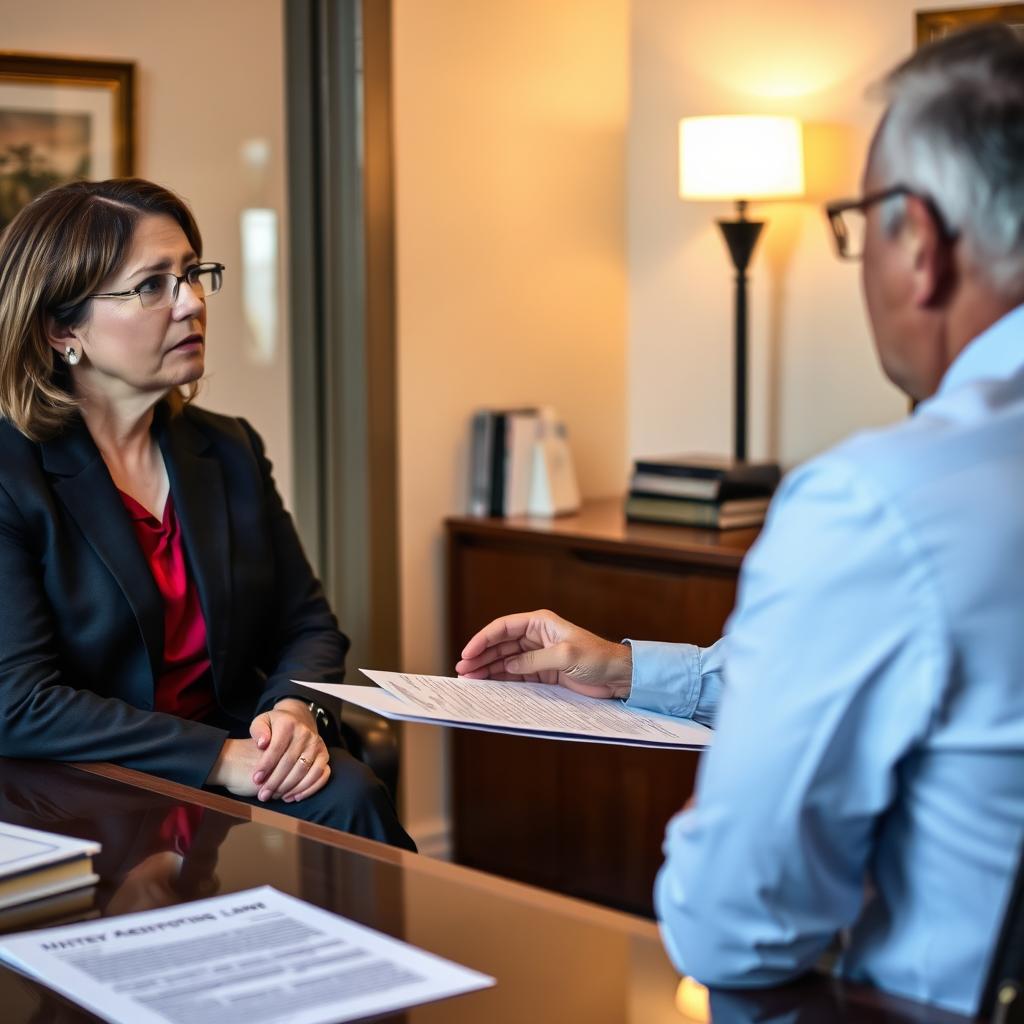
Fault Based Divorce Lawyer Fairfax County, VA
If you are considering a fault-based divorce in Fairfax County, Virginia, understanding the legal grounds and how the local courts handle these cases is essential. Virginia law recognizes several fault grounds for an absolute divorce under Va. Code § 20-91, including adultery, cruelty, willful desertion, and conviction of a felony. Unlike a no-fault divorce, a fault-based divorce does not require a separation period, which can expedite the process and may significantly influence equitable distribution of marital property, spousal support awards, and even child custody determinations. The Fairfax County Circuit Court has exclusive jurisdiction over all divorce actions, while related custody, visitation, and support matters may also be heard in the Fairfax County Juvenile and Domestic Relations District Court. Mr. Sris, a former prosecutor and practicing attorney since 1997, and his Of Counsel team have extensive experience representing clients in fault-based divorce matters throughout Northern Virginia. To discuss your situation and explore whether pursuing a fault ground is appropriate in your case, contact Law Offices Of SRIS, P.C. at (888) 437-7747. Law Offices Of SRIS, P.C. – Advocacy Without Borders.
What Fault Based Divorce Means in Fairfax County
In Fairfax County, a fault-based divorce allows one spouse to seek an immediate dissolution of the marriage without satisfying the one-year or six‑month separation requirement that applies to no-fault divorces. The statutory fault grounds set out in Va. Code § 20‑91 are: adultery, cruelty (which includes reasonable apprehension of bodily hurt), willful desertion or abandonment for one year, and sentencing to confinement for more than one year for a felony. Adultery, when proven, eliminates any mandatory waiting period and can have particularly significant consequences on spousal support, as Virginia law bars an adulterous spouse from receiving permanent spousal support.
All divorce complaints in Fairfax County are filed in the Fairfax County Circuit Court, located at 4110 Chain Bridge Road, Fairfax, Virginia. The Circuit Court handles the divorce itself, along with equitable distribution of property and spousal support. If a couple has minor children and faults such as cruelty or adultery are alleged, those issues may also be litigated in the Circuit Court or, for standalone custody and support matters, in the Fairfax County Juvenile and Domestic Relations District Court. Virginia is an equitable distribution state, and while the court divides marital property fairly—not necessarily equally—fault can be one of the factors the court considers under Va. Code § 20‑107.3. The practical effect is that proving a fault ground may tilt the property division or support award in your favor. Because fault allegations raise complex evidentiary issues, working with an experienced attorney familiar with local court practices is critical.
How Mr. Sris and His Of Counsel Handle Fault Based Divorce Cases
Mr. Sris and his Of Counsel approach each fault-based divorce by first carefully evaluating whether the evidence supports a fault ground and whether pursuing that ground is strategically advantageous. An initial consultation typically includes a review of the marriage history, the specific circumstances that led to the filing, and any documentation that may be relevant—such as proof of adultery, financial records, or evidence of cruel treatment. Based on that review, the legal team advises clients on the viability of a fault claim and the potential impact on property division, spousal support, and custody.
If a fault ground is pursued, the case proceeds with the filing of a Complaint in the Fairfax County Circuit Court. The firm handles service of process, discovery, and any necessary motions for temporary relief. Because fault-based cases often involve sensitive personal allegations, Mr. Sris and his Of Counsel focus on building a well-prepared case through thorough investigation and, when appropriate, negotiation. Many matters resolve through settlement, but if trial is necessary, the team draws on extensive courtroom experience to present a strong case. Throughout the process, the firm keeps clients informed of their options and the likely timeline, which varies depending on the court’s calendar and the complexity of the issues.
About Mr. Sris and His Of Counsel Team
Mr. Sris, Owner and Founder of Law Offices Of SRIS, P.C., has practiced law since 1997 and is admitted in Virginia, Maryland, the District of Columbia, New Jersey, and New York. A former prosecutor, he directs the firm’s family law practice and personally oversees every fault-based divorce matter, drawing on decades of litigation experience. Mr. Sris testified before the Virginia House Courts of Justice Committee in support of 2019 HB 635 (chief patron Del. David Bulova), which revised Virginia’s equitable distribution statute, and his familiarity with the legislative history of property division under Virginia law provides unique insight in complex family law cases.
The Of Counsel team, engaged through Excella, includes attorneys with extensive backgrounds in family law, trial advocacy, and former law enforcement. All Of Counsel work closely with Mr. Sris to deliver focused representation. Together, they bring substantial experience to fault-based divorce actions in Fairfax County, guiding clients through every phase from filing through final decree.
Frequently Asked Questions
What are the grounds for a fault-based divorce in Virginia?
Virginia fault grounds are adultery, cruelty, willful desertion for one year, and imprisonment for a felony of more than one year, under Va. Code § 20-91. A fault-based divorce does not require a period of separation before filing, which can shorten the overall timeline. Adultery and cruelty are the most commonly alleged fault grounds in Fairfax County. Each ground requires clear and convincing evidence, and the burden rests on the party alleging the fault. Consulting an attorney early helps determine whether the evidence supports a fault claim.
How does fault affect property division and spousal support in Fairfax County?
Under Virginia’s equitable distribution statute (Va. Code § 20-107.3), fault is one of many factors the court may consider when dividing marital property and determining spousal support. A finding of fault can result in a greater share of marital assets being awarded to the innocent spouse. Additionally, adultery bars the guilty spouse from receiving permanent spousal support. The exact impact depends on the specific facts and the discretion of the Fairfax County Circuit Court judge. An experienced attorney can explain how fault might influence your particular case.
Do I need a lawyer for a fault-based divorce?
You are not legally required to hire an attorney, but fault-based divorces involve complex evidentiary standards and the potential for contested hearings, making legal representation advisable. Proving fault requires assembling admissible evidence, meeting strict procedural rules, and presenting a persuasive case in court. An experienced fault-based divorce lawyer helps evaluate the strength of your claim, protects your financial interests, and negotiates on your behalf. For a confidential evaluation of your situation, reach Law Offices Of SRIS, P.C. at (888) 437-7747.
How is a fault-based divorce initiated in Fairfax County Circuit Court?
A fault-based divorce begins when one spouse files a Complaint for Divorce with the Fairfax County Circuit Court, served on the other spouse according to Virginia rules. The complaint must allege the specific fault ground and state that one party meets the residency requirement—at least six months of domicile in Virginia. The court then sets a schedule for any temporary relief, discovery, and trial. While some uncontested cases resolve quickly, contested fault-based cases can take months or longer depending on the issues and the court’s calendar.
What should I bring to a consultation with a fault-based divorce lawyer?
Bring your marriage certificate, any relevant financial documents, and any evidence of the fault ground you intend to allege. Financial records may include tax returns, pay stubs, bank statements, and retirement account statements. Evidence of fault could be messages, photographs, witness contact information, or other materials. The more complete the information you provide, the better your attorney can assess the viability of a fault claim. For a consultation, reach Mr. Sris and his Of Counsel at (888) 437-7747.
For family law representation in nearby counties, see our pages for Divorce Lawyer Prince William County, Stafford County Family Law Attorney, Loudoun County Divorce Lawyer, and Arlington Family Lawyer.
Official Virginia resources: Virginia Code Title 20 – Domestic Relations; Fairfax County Circuit Court; Virginia HB 635 (2019) summary.
Attorney advertising. Prior results do not guarantee a similar outcome. Results may vary.
Case results depend on a variety of factors unique to each case.