
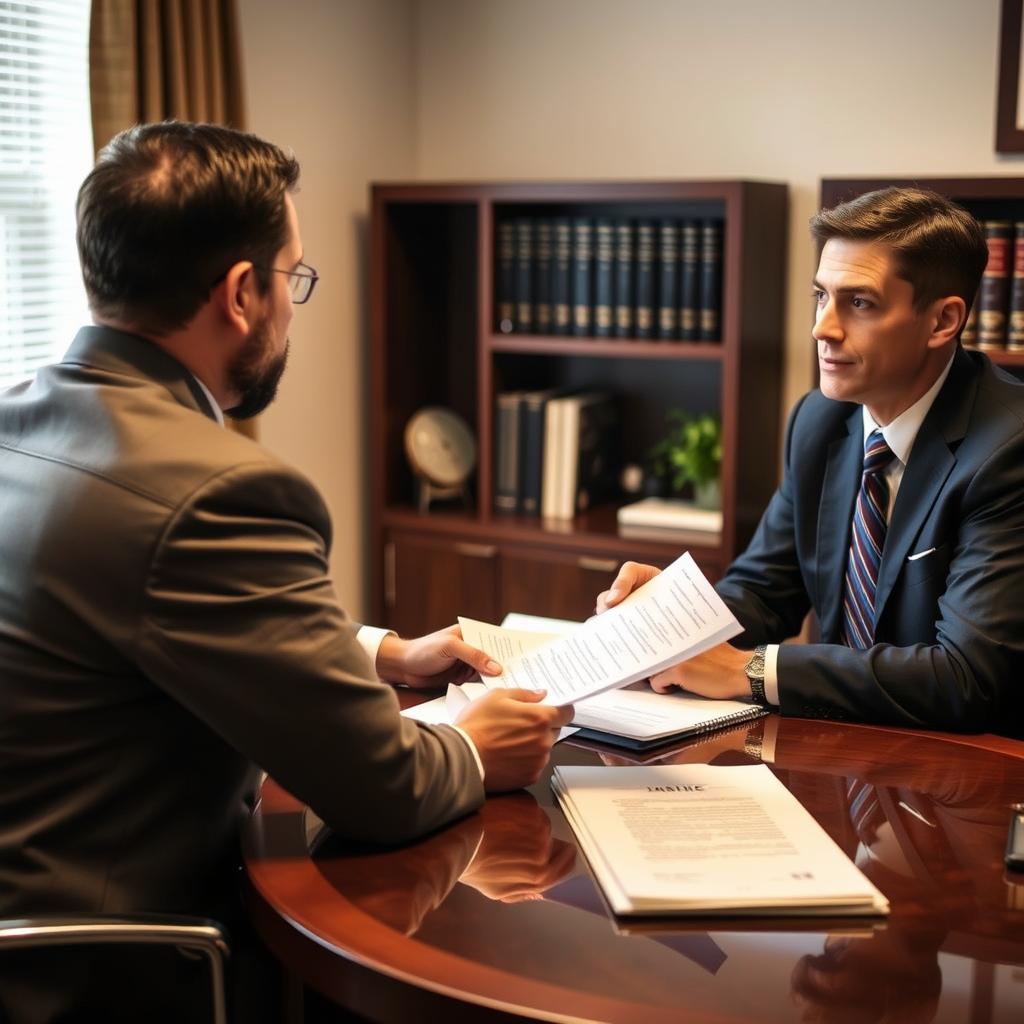
Assault with Injury Defense Lawyer Falls Church, VA
When an assault charge in Falls Church, Virginia includes an allegation of injury, the stakes rise considerably. Under Va. Code § 18.2-57, assault and battery is classified as a Class 1 misdemeanor, carrying up to twelve months in jail and a fine of up to $2,500 upon conviction. Where the alleged injury is more serious or a weapon is involved, the charge may be elevated to a felony, exposing the accused to significantly greater penalties and the lifelong consequences of a felony record. Cases involving assault with injury allegations are heard at the Falls Church General District Court, located at 300 Park Avenue, Suite 151W, for misdemeanor matters, while felony charges proceed to the Falls Church Circuit Court. The Commonwealth’s Attorney prosecutes these cases with the full resources of the state, and the court evaluates the evidence, the extent of any alleged injury, and the circumstances surrounding the incident. Mr. Sris and his Of Counsel team at Law Offices Of SRIS, P.C. bring substantial courtroom experience to assault defense in Falls Church and throughout the Seventeenth Judicial District. To request a consultation, call (888) 437-7747. Law Offices Of SRIS, P.C. – Advocacy Without Borders.
What Assault with Injury Defense Means in Falls Church
In Virginia, assault charges involving injury are generally prosecuted under Va. Code § 18.2-57, the Commonwealth’s general assault and battery statute. While the statute itself classifies simple assault and battery as a Class 1 misdemeanor, the presence of injury can affect how the prosecution approaches the case, what penalties it seeks, and whether the charge remains a misdemeanor or is elevated to a felony under a different statute. The Falls Church General District Court at 300 Park Avenue handles misdemeanor assault cases, including arraignment, bond review, pretrial motions, and trial. Felony assault matters, including aggravated assault charges where serious bodily injury is alleged, proceed through the Falls Church Circuit Court after a preliminary hearing in the General District Court. Defendants have an absolute right to a jury trial in Circuit Court for any offense carrying potential jail time, an important procedural protection in cases where the alleged injury is significant and the prosecution is seeking incarceration.
Falls Church, as a small independent city within the Seventeenth Judicial District, maintains its own court system that serves the city’s residents and handles cases arising within its boundaries. The city is served by major transportation corridors including Route 7, Route 29, I-66, and I-495, and law enforcement agencies including the Falls Church Police Department investigate and make arrests for alleged assaults occurring within city limits. Because Falls Church is surrounded by Fairfax County, some incidents near the border may involve jurisdictional questions about where a case should be heard. An experienced defense attorney familiar with Falls Church court procedures can assess these issues early and develop a defense strategy tailored to the specific court, prosecutor, and circumstances of the case. The procedural path depends on the classification of the charge, the nature of the alleged injury, and the defendant’s prior record.
First-offender programs may be available under applicable Virginia law, and in some circumstances a deferred disposition allows a defendant to complete probationary terms that, if satisfied, result in dismissal of the charge. These options are case-specific and depend on the nature of the alleged offense, the extent of any injury, and the position of the Commonwealth’s Attorney. Expungement of records is available under Va. Code § 19.2-392.2 for charges that result in acquittal, nolle prosequi, or dismissal, though most convictions are not eligible for expungement under current law. Understanding these post-resolution options from the outset allows a defendant to make informed decisions throughout the case.
How Mr. Sris and His Of Counsel Handle Assault with Injury Defense Cases
Defending against an assault charge where injury is alleged begins with a thorough review of the evidence and the circumstances of the arrest. Mr. Sris and his Of Counsel team examine police reports, witness statements, medical records, and any photographic or video evidence that may exist. The credibility of witnesses, the consistency of accounts, and whether any injury is consistent with the version of events presented by the alleged victim are all critical factors. In many cases, the context of the incident—including whether the defendant acted in self-defense, defense of others, or whether the contact was accidental—forms the foundation of the defense. Where law enforcement procedures were not properly followed or where evidence was obtained in violation of constitutional protections, pretrial motions to suppress may be filed.
The defense process in Falls Church General District Court begins with arraignment and bond determination. For felony charges, a preliminary hearing follows where the Commonwealth must establish probable cause for the case to proceed to Circuit Court. At each stage, Mr. Sris and his Of Counsel evaluate the prosecution’s case, engage in discussions with the Commonwealth’s Attorney where appropriate, and prepare for trial if a satisfactory resolution cannot be reached. Under Virginia Supreme Court Rule 3A:8, plea negotiations are permitted, and the Commonwealth and defense may negotiate a resolution that the court may accept or reject. The court is not a party to these negotiations. Throughout the process, the defense team works to ensure the accused understands the charges, the potential consequences, and the options available at each stage. The timeline for a case varies depending on court scheduling, the complexity of the evidence, and whether the matter proceeds to trial.
About Mr. Sris and His Of Counsel Team
Mr. Sris, Owner and Founder of Law Offices Of SRIS, P.C., established the firm in 1997. He is a former prosecutor whose experience includes criminal trial work, giving him insight into how the prosecution builds and presents its case. Mr. Sris testified before the Virginia House Courts of Justice Committee in support of 2019 HB 635 (chief patron Del. David Bulova). He is admitted to practice in Virginia, Maryland, the District of Columbia, New Jersey, and New York. His Of Counsel team includes attorneys with extensive backgrounds in criminal defense, including prior law enforcement experience that provides a valuable perspective on police procedures, investigative techniques, and the handling of evidence in assault cases.
Law Offices Of SRIS, P.C. serves clients from its Fairfax location at 4008 Williamsburg Court, Fairfax, VA 22032, representing individuals in Falls Church and throughout Northern Virginia. The firm’s attorneys appear regularly in the Falls Church General District Court and Falls Church Circuit Court, and they are familiar with local court procedures, the Commonwealth’s Attorney’s approach to assault prosecutions, and the available diversionary and first-offender programs. The firm offers consultations by appointment and can be reached at (888) 437-7747. Mr. Sris and his Of Counsel work toward favorable outcomes for every client, and they bring substantial courtroom experience to each case they handle. Results may vary.
Frequently Asked Questions
What is the penalty for assault with injury in Falls Church, Virginia?
A conviction for assault and battery under Va. Code § 18.2-57 is a Class 1 misdemeanor carrying up to 12 months in jail and a fine of up to $2,500. Where the injury is serious, the charge may be elevated to a felony under statutes such as unlawful wounding or malicious wounding, which carry substantially greater penalties including a term of imprisonment in the Virginia Department of Corrections. The Falls Church General District Court handles misdemeanor assault trials, while felony assault charges proceed to the Falls Church Circuit Court. Actual sentences depend on the specific facts, the extent of the injury, the defendant’s prior criminal record, and any mitigating circumstances presented. A conviction also results in a permanent criminal record that can affect employment, housing, professional licensing, and other aspects of daily life.
How does a lawyer defend against assault with injury charges in Virginia?
Defense strategies in Virginia assault cases involving alleged injury typically focus on challenging the evidence, asserting legal defenses such as self-defense, and negotiating with the Commonwealth’s Attorney where appropriate. An experienced attorney reviews police reports, witness statements, medical records, and any available video evidence to identify inconsistencies, credibility problems, or procedural violations. Self-defense, defense of others, and lack of intent are common legal defenses in assault cases. Where the evidence supports it, the defense may also argue that any physical contact was accidental or that the alleged injury is not consistent with the conduct described. Under Virginia Supreme Court Rule 3A:8, plea negotiations may result in amended charges or sentencing recommendations that reduce the consequences of a conviction.
What should I do if I am facing assault with injury charges in Falls Church?
If you are facing assault with injury charges in Falls Church, exercise your right to remain silent and contact an experienced criminal defense attorney before making any statements to law enforcement. Do not discuss the facts of the case with anyone other than your lawyer. Preserve any evidence that may be relevant, including text messages, photographs, videos, and the names and contact information of witnesses. Follow all court orders and conditions of bond, including any restrictions on contact with the alleged victim. The Falls Church General District Court at 300 Park Avenue, Suite 151W, handles initial appearances and misdemeanor trials. Prompt engagement of counsel allows your attorney to assess the case, appear with you at your first court date, and begin developing your defense strategy.
Do I need a lawyer for misdemeanor assault charges in Falls Church?
While you have the right to proceed without counsel, hiring an experienced defense lawyer for a misdemeanor assault charge in Falls Church is strongly advisable because a conviction carries jail time and a permanent criminal record. Even a Class 1 misdemeanor conviction under Va. Code § 18.2-57 can result in up to twelve months of incarceration, a fine of up to $2,500, and long-term collateral consequences affecting employment, housing, and professional licenses. An attorney can evaluate whether diversionary or deferred-disposition programs may be available, negotiate with the Commonwealth’s Attorney to seek a reduction or dismissal of the charge, and represent you at trial if a resolution cannot be reached. For a consultation, reach Law Offices Of SRIS, P.C. at (888) 437-7747.
Can assault with injury charges be reduced or dismissed in Falls Church?
Yes, assault charges in Falls Church may be reduced or dismissed depending on the evidence, the circumstances of the alleged incident, and the position of the Commonwealth’s Attorney. Dismissals may occur where the evidence is insufficient, where witnesses are unavailable or not credible, or where procedural defects undermine the prosecution’s case. Charges may be reduced through negotiations between defense counsel and the prosecutor, resulting in amendment to a lesser offense with reduced penalties. In some cases, deferred disposition under applicable Virginia law allows a defendant who completes probationary conditions to have the charge dismissed. The Falls Church General District Court has the authority to dismiss charges at trial or upon successful completion of a deferred-disposition program. Results may vary. based on the specific facts of each case.
What is the difference between misdemeanor and felony assault with injury in Virginia?
The distinction between misdemeanor and felony assault in Virginia generally depends on the severity of the alleged injury, whether a weapon was used, and the identity of the alleged victim. Simple assault and battery under Va. Code § 18.2-57 is a Class 1 misdemeanor regardless of whether minor injury is alleged. However, where the alleged injury is more serious—such as a wounding that requires medical treatment—the Commonwealth may charge the offense as unlawful wounding or malicious wounding, both of which are felonies. Felony charges are heard in Falls Church Circuit Court, carry longer potential sentences, and result in the loss of certain civil rights upon conviction, including firearm rights and, in some cases, voting rights. A felony conviction also has greater immigration consequences and employment implications than a misdemeanor.
How do first-offender programs work for assault charges in Falls Church?
Virginia law provides deferred-disposition options for certain first-offense assault charges, allowing a defendant who completes probationary conditions to have the charge dismissed. The availability of these programs depends on the specific charge, the facts of the case, and the defendant’s prior record. Under applicable Virginia statutes, the court may, with the defendant’s consent, defer proceedings and place the defendant on probation subject to conditions that may include community service, anger-management education, and remaining of good behavior. Upon successful completion of the terms imposed by the court, the charge is dismissed. Eligibility is determined on a case-by-case basis, and the Commonwealth’s Attorney’s position on deferred disposition can significantly influence the court’s decision. Discussing eligibility with an experienced attorney early in the case is important for understanding what options may be available.
Additional Resources
For further information on Virginia criminal law and court procedures, you may consult the following official sources:
Virginia Code Title 18.2 — Crimes and Offenses Generally
Virginia Judicial System — Official Court Information
Attorney advertising. Prior results do not guarantee a similar outcome.
Results may vary.
Case results depend on a variety of factors unique to each case.